.png)
Winterproofing Outbuildings: Insulating & Weather-Proofing for Winter
- Sam

- Dec 15, 2025
- 3 min read
With winter now upon us, the cold has set in, bringing winds and rain. Winterproofing outbuildings like sheds, workshops, and garages is essential, yet these spaces often get overlooked. They are just as vulnerable to damp, drafts, and heat loss as our homes. Preparing them properly for winter not only protects the structure but also keeps tools, equipment, and stored items safe from damage.
Roof Felt
Inspect roof coverings regularly for cracks, tears, or signs of wear. Damaged felt can quickly lead to leaks and water ingress, especially during heavy winter rain.
Best Choice: Opt for a high-density, breathable felt. This type not only provides durability against harsh weather but also allows moisture to escape, reducing the risk of condensation inside the outbuilding.
Tip: Pay attention to overlaps and edges — secure them well to prevent wind-driven rain from finding its way in.
Seal Gaps
Even the smallest gaps can let in cold drafts and rain.
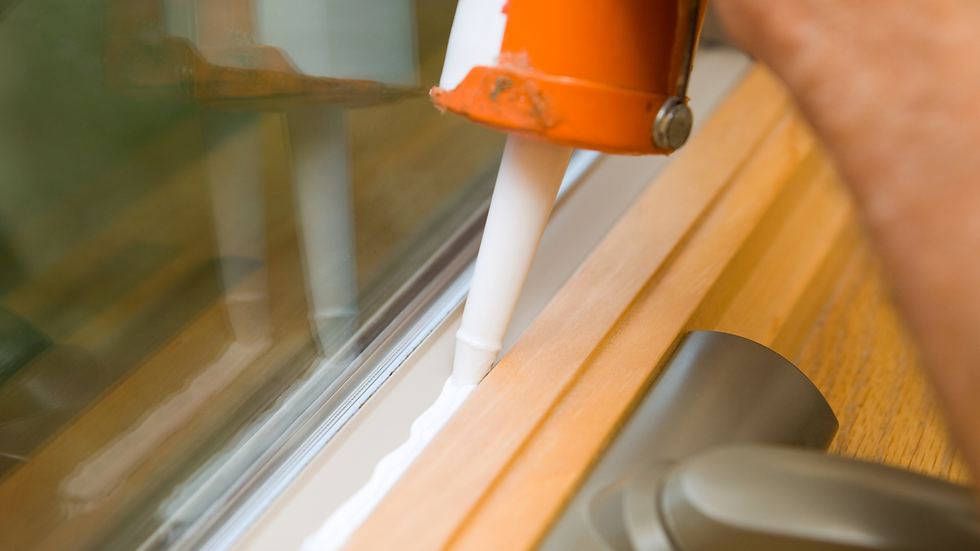
Windows & Doors: Apply silicone sealant around frames and trims to block unwanted airflow and moisture.
Trims & Joints: Check corners, and junctions where materials meet — these are common weak points.
Pro Tip: Weatherstripping tape or draft excluders can add an extra layer of protection, especially for older doors.
Insulation Options
Insulation keeps outbuildings warmer in winter, reduces energy loss, and prevents damp from damaging tools or structures. It makes the space more comfortable to use and helps protect the building itself from wear caused by extreme temperatures.
Walls: Rigid foam boards (PIR boards) or Actis Hybris—explored further in this blog post— https://www.cedruscarpentry.co.uk/post/carpentry-truths-myths-and-laughs fitted neatly between wall studs to create a highly effective thermal barrier. These materials help keep the interior warm while minimising energy loss. PIR boards are lightweight and easy to cut, making installation straightforward, while Actis Hybris provides a flexible, multi‑layered structure that combines insulation with airtightness for long‑lasting performance.
Floors: Cold rising from the ground can make an outbuilding uncomfortable. Installing Celotex insulation boards beneath the floor surface is a simple but highly effective way to reduce heat loss.
Moisture Control
Winter damp can be just as damaging as cold, often leading to rot, mould, and structural issues if left unchecked. Taking steps to manage moisture is just as important as insulation.
Ventilation: Ensure there’s adequate airflow to prevent condensation. Even a small vent or trickle gap can make a big difference in keeping the interior dry.
Vapor Barriers: Use where appropriate to stop damp creeping into insulation layers. A simple plastic sheet stapled to the studs over the top of your choice of insulation creates an effective barrier, keeping moisture out while protecting the insulation.
Drainage: Keep gutters clear of leaves and debris, and make sure water is directed away from foundations. Poor drainage can quickly lead to damp floors and weakened structures.
Pro Tip: Check corners and hidden areas regularly — these are often the first places damp shows up.
Winter Maintenance Checklist
Keeping your outbuilding in good condition through the colder months doesn’t have to be complicated. A simple seasonal routine can make all the difference:
Inspect wraps and roof felt annually to catch cracks, tears, or signs of wear before they become leaks.
Clear debris from roofs and gutters so rainwater and melting snow can drain freely.
Reapply sealants where needed around windows, doors, and trims to maintain a tight weatherproof seal.
Store tools off the floor on shelves or racks to prevent damp damage and rust.
Remove sensitive items: I never leave my lithium batteries in the outbuilding. Cold, damp conditions can shorten their lifespan and even pose safety risks, so it’s best to store them indoors where temperatures are stable.

The Wrap-Up
By taking a little time to insulate and weather-proof your outbuilding, you’ll extend its life, protect your belongings, and make it a more comfortable space to use year-round. Materials like Tyvek house wrap provide a durable, reliable solution, and when combined with good insulation and moisture control, your outbuilding will be ready to face whatever winter throws at it.


Comments